MED0001157212 - This website contains imagery which is only suitable for audiences 18+. All surgery contains risks, Read more here.

Liposuction Gold Coast

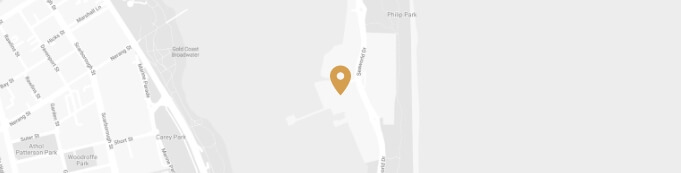
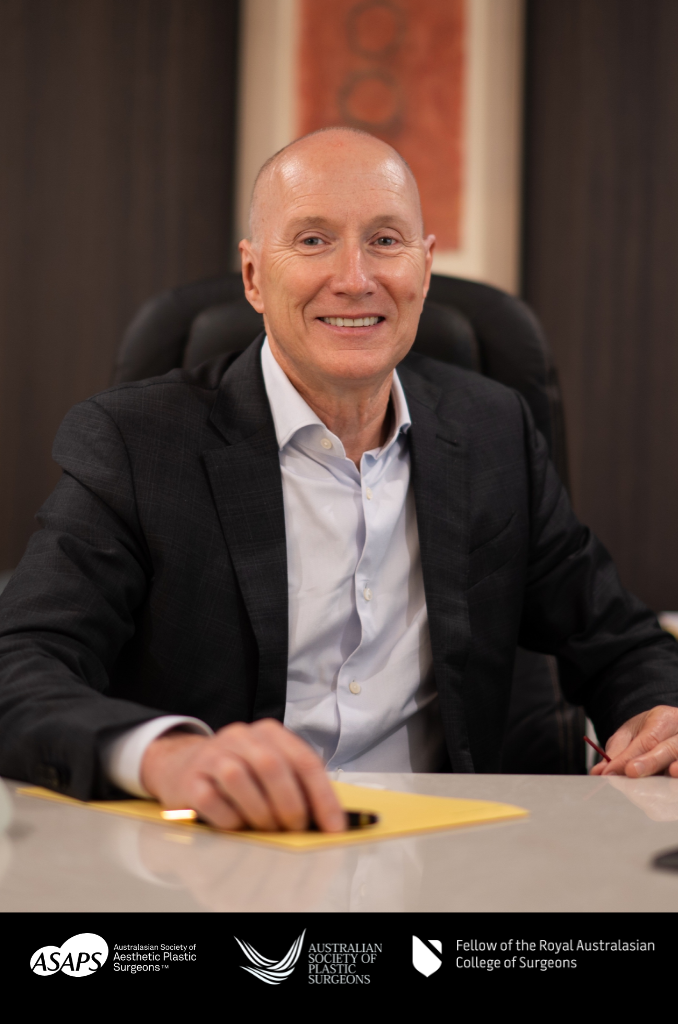
Dr Terrence Scamp is an AHPRA-registered specialist plastic surgeon (MED0001157212) providing liposuction consultations on the Gold Coast. Consultations are held at 95 Upton Street, Bundall. All surgery is performed under general anaesthesia at Pacific Private Hospital in Southport. This page covers what liposuction can and cannot do, the areas commonly treated, techniques used, the recovery process, and the risks to consider before making a decision.

Breast lift & Motiva bg 01

About Liposuction

Liposuction is a surgical body contouring procedure that removes localised deposits of subcutaneous fat through small incisions. Also called lipoplasty or liposculpture, the surgery is used to reshape specific areas of the body where fat has proven resistant to diet and exercise.

Liposuction is performed under general anaesthesia in a hospital. Small incisions are made in the target area, and a cannula (a thin hollow tube) is used to loosen and suction out fat cells. The cells removed do not grow back in that area, though remaining fat cells throughout the body can expand if weight is gained. Full recovery takes several months and involves wearing a compression garment for an extended period.

What Liposuction Can and Cannot Do

Liposuction is one of the most commonly misunderstood plastic surgery procedures. Being clear about what it can and cannot achieve is an essential part of deciding whether it is right for the individual patient.

What Liposuction Can Do

Liposuction can remove localised deposits of stubborn subcutaneous fat that have not responded to diet and exercise. It can improve the contour of specific body areas by reducing fat volume in that region, and can address disproportionate fat distribution where certain areas carry more fat than the rest of the body.

What Liposuction Cannot Do

Liposuction is not a weight loss procedure. The amount of fat safely removed in a single procedure is limited (generally up to around five litres for safety reasons), and the surgery is designed to address body contour, not overall body weight. Patients who are significantly overweight are generally advised to reach a stable healthy weight before liposuction is considered.

Liposuction also cannot correct loose or hanging skin. Where skin has lost elasticity (from significant weight loss, ageing, or pregnancy), removing the fat underneath can sometimes make the loose skin appearance more obvious. In these cases, a skin-tightening surgical procedure such as abdominoplasty (tummy tuck), thigh lift, or arm lift may be a more appropriate option, either alone or combined with liposuction.

Liposuction does not treat cellulite. Cellulite is caused by fibrous bands and fat distribution patterns beneath the skin rather than by the fat itself, and liposuction does not address these underlying causes.

Body Areas That Can Be Treated with Liposuction

Liposuction can be performed on many areas of the body where localised fat deposits are the primary concern. Commonly treated areas include:

  • Abdomen (upper, lower, or both)
  • Flanks (love handles) and lower back
  • Hips and outer thighs (saddlebags)
  • Inner thighs and knees
  • Upper arms
  • Chest and breast area (in men, for gynecomastia treatment, though this is treated as a separate procedure)
  • Chin, jawline, and neck
  • Bra roll area on the upper back

Multiple areas can be treated in the same procedure, though the total volume of fat removed in a single operation is limited for safety. Dr Scamp will discuss which areas are appropriate to address at consultation, and whether staged procedures may be safer for the patient’s specific case.

Liposuction Techniques

Liposuction is not a single procedure. Several techniques exist, and the choice depends on the area being treated, the amount of fat to be removed, the skin quality in the target area, and Dr Scamp’s assessment of the patient’s case.

Tumescent Liposuction

Tumescent liposuction is the most widely used technique. A large volume of dilute anaesthetic solution (containing local anaesthetic and adrenaline) is infiltrated into the fat before suction. This solution firms the fat, constricts blood vessels to reduce bleeding, and provides pain relief that extends into the recovery period. Most liposuction performed today includes some form of tumescent infiltration regardless of the additional technique used.

Power-Assisted Liposuction (PAL)

Power-assisted liposuction uses a cannula that vibrates mechanically to loosen fat cells before they are suctioned. The vibration reduces the physical effort required and can improve precision in fibrous areas such as the back or male chest.

VASER Liposuction (Ultrasound-Assisted)

VASER (Vibration Amplification of Sound Energy at Resonance) uses ultrasound energy to selectively break down fat cells before suction. This technique is particularly useful in fibrous areas or where more detailed contouring is planned. VASER is not appropriate for every case, and Dr Scamp will discuss whether it may be suitable for the individual patient’s target areas.

Combined with Fat Transfer

In some cases, the fat removed during liposuction is processed and transferred to another area of the body (a procedure sometimes called lipostructure or fat grafting). Common areas for fat transfer include the face and buttocks. This combined approach is discussed at consultation where relevant.

Dr Scamp will explain which technique or combination of techniques he recommends for the patient’s case during a consultation.

The Consultation Process

Every liposuction procedure begins with a private consultation at Dr Scamp’s rooms at 95 Upton Street, Bundall.

Under the Medical Board of Australia’s guidelines for cosmetic surgery, patients considering liposuction must first obtain a written referral from their GP or another registered medical practitioner before their consultation.

During the consultation, Dr Scamp will discuss the areas the patient would like to address, assess their skin quality and elasticity, review their medical history and general health, discuss which technique may suit their case, explain the extent of scarring from the small incisions used, discuss the specific risks and possible complications, and provide a personalised cost estimate.

A minimum 7-day cooling-off period applies between the patient’s initial consultation and any liposuction surgery. This is a mandatory requirement under Australian guidelines for cosmetic surgery, and gives the patient time to consider their decision.

What Happens on the Day of Surgery

Liposuction is performed in an accredited hospital under general anaesthesia administered by a qualified specialist anaesthetist. Dr Scamp operates at Pacific Private Hospital in Southport.

The duration of surgery depends on the number of areas being treated and the volume of fat to be removed. A single small area may take under an hour, while multiple areas can take several hours. Most liposuction procedures are performed as day surgery, though larger procedures may require an overnight hospital stay.

The patient will need a support person to drive them home from the hospital and stay with them overnight after discharge. The patient cannot drive themself, and they should not be alone during the initial 24 hours following surgery.

Recovery Timeline

Recovery from liposuction is gradual. Individual recovery varies depending on the areas treated, the volume of fat removed, and the patient’s general health.

The First Week

Swelling, bruising, and soreness in the treated areas are common. Some fluid drainage from the small incision sites is normal in the first 24 to 48 hours. A compression garment is worn continuously (see the compression garment section below). Pain relief is prescribed to manage discomfort. Light walking is encouraged to reduce the risk of blood clots, but strenuous activity should be avoided. Most patients feel able to return to sedentary work by around 5 to 7 days.

Weeks Two to Six

Bruising fades, and swelling gradually reduces over the first month. Most patients can resume light exercise such as walking and gentle stationary cycling by 2 to 3 weeks, though this depends on the areas treated. Strenuous exercise, heavy lifting, and high-impact activity should be avoided for at least 4 to 6 weeks or as advised. The treated areas may still feel numb, firm, or lumpy during this period, which is normal.

Months Three to Six

Residual swelling continues to reduce over three to six months, and the final contour becomes clearer during this period. Nerves in the treated area regenerate gradually, and altered sensation typically resolves. The final outcome of liposuction is often best assessed at around six months post-surgery.

If any concerns arise at any point during recovery, please contact Dr Scamp’s rooms immediately.

Compression Garments and Aftercare

Compression garments are worn continuously for the first several weeks after liposuction, then during daytime hours only for several additional weeks. Typical total wear time is 6 to 12 weeks, though this varies based on the areas treated and Dr Scamp’s individual advice.

Compression garments serve several purposes: they reduce swelling and bruising, help the skin retract evenly across the new contour, minimise fluid accumulation, and support the treated tissue during the initial healing period. Wearing the garment as directed is one of the more important parts of post-surgical care and directly affects the final outcome.

Risks and Possible Complications

Liposuction, like any surgical procedure, carries risks and possible complications. Being aware of these is an essential part of making an informed decision.

Having surgery performed by an appropriately qualified specialist plastic surgeon can reduce, but not eliminate, the risk of complications. Dr Scamp will discuss the specific risks that apply to each patient’s case during their consultation.

Recognised risks and complications of liposuction include:

  • Bleeding, including haematoma
  • Infection, which may require antibiotics or further surgery
  • Fluid accumulation (seroma) at the treated site
  • Reaction to anaesthesia or medications
  • Contour irregularities, including waviness, rippling, dimpling, or asymmetry between sides
  • Skin discolouration, including hyperpigmentation
  • Numbness or altered sensation in the treated area, which is usually temporary but can be permanent
  • Deep vein thrombosis (DVT) and pulmonary embolism
  • Fat embolism (rare but serious)
  • Damage to underlying structures (nerves, blood vessels, organs)
  • Skin necrosis (loss of skin tissue) at the incision site
  • Poor scar formation at the incision sites
  • Unsatisfactory cosmetic outcome
  • Need for further surgery, including revision liposuction or scar revision

Contour irregularities are one of the more common issues after liposuction and are often related to skin quality, healing patterns, and how the compression garment is worn during recovery. Revision procedures are sometimes needed to address these.

Some risks are more common in patients with specific characteristics. Smoking, obesity, uncontrolled diabetes, and other health conditions can significantly increase the risk of complications. Dr Scamp will assess these factors at consultation and may require the patient to address them before surgery is considered safe to proceed with.

If a patient experiences any adverse effects after surgery, they must contact Dr Scamp’s rooms immediately.

Who Is a Suitable Candidate for Liposuction?

Suitability depends on factors Dr Scamp will assess during consultation. Broadly, candidates for liposuction are people with localised deposits of stubborn fat, a stable weight in a healthy range (a BMI generally under 30), good skin elasticity in the target area, good general health, realistic expectations about what liposuction can achieve, and non-smoker status (or willingness to stop before and after surgery).

Liposuction is less suitable for people who are significantly overweight, current smokers, those with significant unmanaged health conditions, those with poor skin elasticity where a skin-tightening procedure would produce a better outcome, or those with unrealistic expectations about outcomes.

Dr Scamp will provide honest advice at consultation based on the patient’s individual circumstances.

What Liposuction Aims to Achieve

Liposuction aims to improve body contour by reducing localised fat deposits in specific target areas. Outcomes vary depending on the area treated, the amount of fat removed, individual skin quality, and how the tissue heals over the months following surgery.

The final contour of the treated area is generally clearer at around six months post-surgery, once swelling has fully resolved. The fat cells removed do not return to the treated area, though existing fat cells throughout the body can enlarge if weight is gained. Maintaining a stable weight after liposuction is important to preserve the change.

Liposuction does not stop the natural ageing process, changes in body shape from pregnancy, or the effects of significant weight change. Dr Scamp will explain what liposuction can and cannot achieve for the individual case at consultation.

Liposuction Cost on the Gold Coast

The cost of liposuction varies depending on the number of areas treated, the volume of fat to be removed, the surgical technique used, hospital and anaesthetic fees, and the compression garments and aftercare required.

Liposuction is a cosmetic procedure and is generally not covered by Medicare or private health insurance. A patient’s itemised quote will detail the surgeon’s fee, hospital and theatre fees, anaesthetist’s fee, post-surgical compression garments, and follow-up appointment schedule.

For a personalised cost estimate, patients can contact the practice to arrange a consultation with Dr Scamp at his Bundall rooms.

Book a Consultation

A private consultation with Dr Scamp provides one-on-one time to discuss the areas a patient wants to address, review their individual circumstances, and understand the surgical process, techniques, recovery, risks, and outcomes in detail.

Consultations are held at 95 Upton Street, Bundall. A GP referral is required before a consultation. To arrange an appointment, patients can contact the practice via the enquiry form or by phone.