

 Call Us
 Contact Us

Facelift (Rhytidectomy) Surgeon Gold Coast
Find out how our dedicated team can provide specialised & tailored options.
- Over 30 Years of Industry Experience
- Board Certified Specialist Plastic Surgeon
- Compassionate and Caring Local Team




Experienced And Qualified Queensland Surgeon
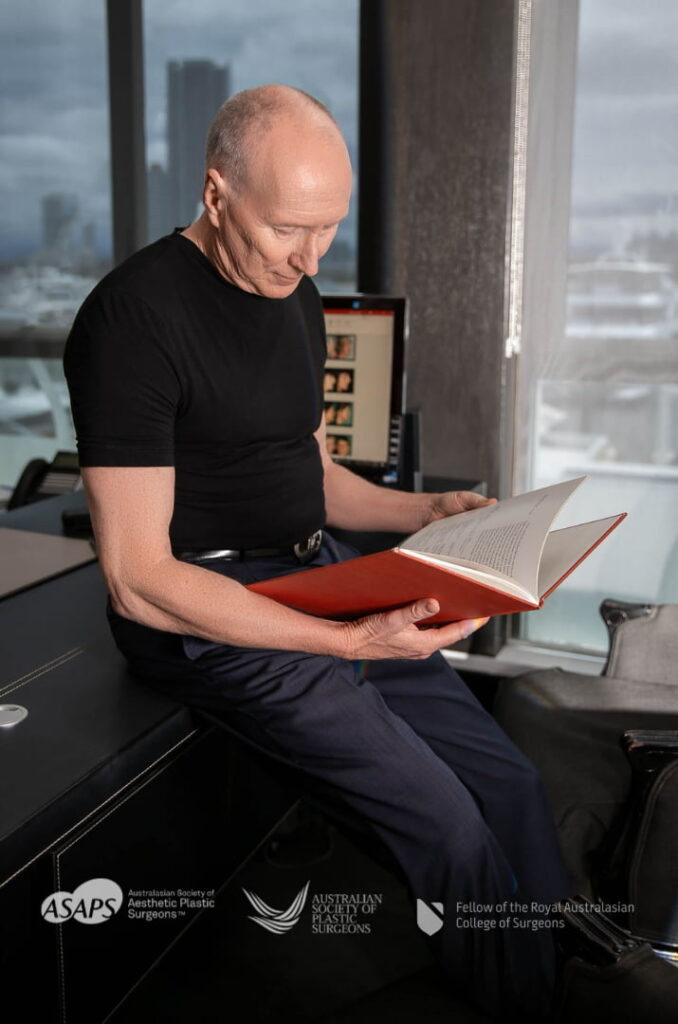
A qualified and accredited plastic surgeon since 1992 Dr Scamp has amassed over three decades of experience in performing rhytidectomys (facelift). From initial consultation to performing the rhytidectomy (facelift), Dr Scamp utilises the knowledge and skill acquired from his training and experience. Beyond refining his own expertise, Dr Scamp actively contributes to the training and mentoring of fellow plastic surgeons, which has led to regular invitations to deliver lectures on various cosmetic procedures both in Australia and overseas.

Excess Skin
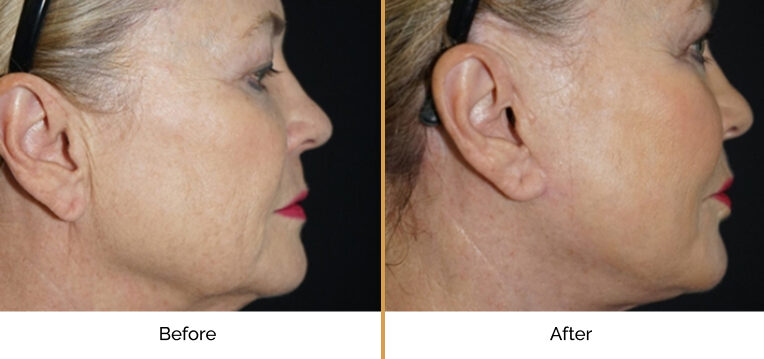
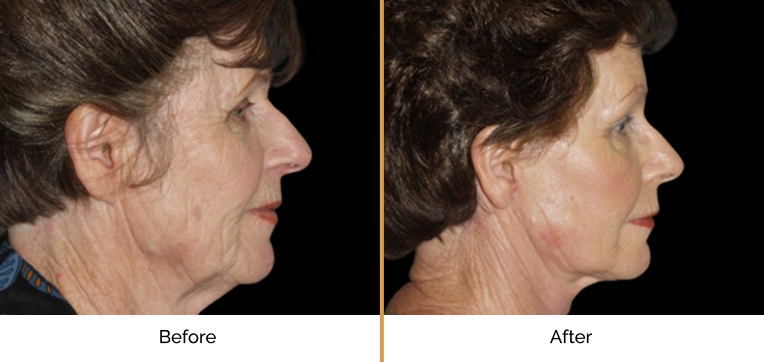
A facelift (rhytidectomy) aims to tighten loose skin, remove the appearance of jowls, and other signs of ageing.

Facial Contours
A facelift (rhytidectomy) aims to augment the appearance of your face while lifting and tightening skin, slowing signs of ageing.

Wrinkles and Skin Laxity
Aims to correct visible signs of ageing such as deep cheek folds, jowls and loose skin on the front and sides of your neck.
Our facelift (Rhytidectomy) Procedure
A facelift, or rhytidectomy, is a surgical procedure that aims to reduce visible signs of ageing, address creases, wrinkles, and tighten loose skin. This surgical procedure usually involves patients going under a general anaesthetic. The duration of this procedure is estimated to last around two to four hours, depending on the elasticity of the skin and complexity of the creases and folds that the patient has.
Dr Scamp will mark where the incisions sites will be prior to surgery and once the patient is under a general anaesthetic, the incision lines will be created. This will allow for the skin to be lifted and any fatty deposits or excess sagging skin to be removed. In addition, the muscle can be
tightened, as well as connective tissues repositioned. The skin is then tightened upwards, before it is stitched into place.
Following this, the incision sites would be closed with sutures and the face would be wrapped in bandages. This aims to prevent any infections and promote healthy healing. Small tubes may be attached behind the ears to drain any blood or excess fluid build-up in the facial area after surgery.
For many patients, this procedure can create an appearance that better aligns with their aesthetic ideals. However, future patients should keep in mind that surgery will not change their natural facial structure.
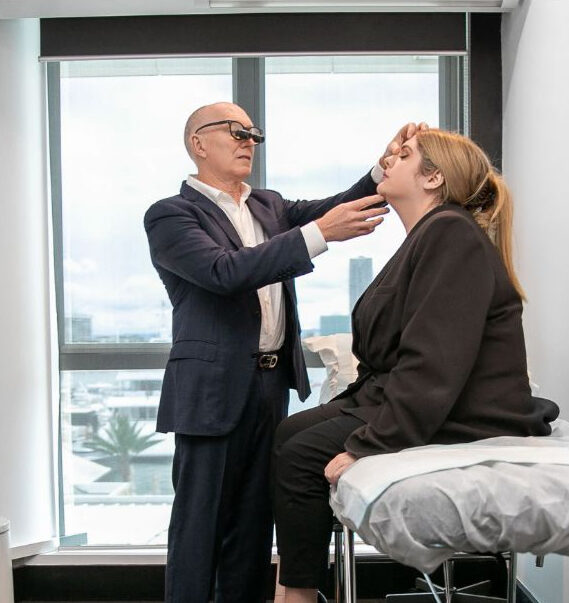
Dr Terrence Scamp – Over 30 years of experience
M.B.B.S | F.R.A.C.S
Board-certified specialist plastic surgeon, Dr Terrence Scamp, has 30 years of experience in cosmetic plastic surgery. With a broad range of medical training, he endeavours to provide a high standard of surgical care.
National & International Surgical Training
- Scotland
- Bristol
- Harley Street London
- Belgium
- Slovenia
- Germany
- United States
A qualified and accredited surgeon since 1992, Dr Scamp’s career started with the completion of his internship at Princess Alexandra Hospital in Brisbane and his graduation from the University of Queensland with a Bachelor of Medicine and a Bachelor of Surgery. In 1982 his focus shifted towards what would be the beginning of his surgical training.
He gained valuable experience in a range of specialties such as vascular, orthopaedic, neurosurgery, and general surgery. In 1986 at the Royal Brisbane Hospital, Dr Terrence Scamp began his specialised training in plastic and reconstructive surgery.
From consultation to surgery, Dr Scamp utilises the knowledge and skill acquired from his 3 decades of training and experience. He ensures that he prioritises his patients, delving into available options, guiding patients towards a decision that is in line with their desired outcome.
Want to learn more about this procedure?
Requiring a minimum of two consultations before any surgery, Dr Scamp dedicates ample time to discuss the procedure thoroughly. Utilising the knowledge and skills he’s accumulated from over three decades of training and experience, he will formulate a personalised treatment plan. Through taking a patient centred approach Dr Scamp can delve into available options and guide his patients towards a decision that is in line with their desired outcome.
CONTACT US FOR FRIENDLY, CONFIDENTIAL OPTIONS
Sunmedia- LP Bottom Form


Disclaimer: Any surgical or invasive procedure carries risks. Before proceeding, you should seek a second opinion from an appropriately qualified health professional.
© Copyright 2025 Dr Terrence Scamp