MED0001157212 - This website contains imagery which is only suitable for audiences 18+. All surgery contains risks, Read more here.

Breast Reduction Gold Coast

Dr Terrence Scamp is an AHPRA-registered specialist plastic surgeon (MED0001157212) providing breast reduction consultations on the Gold Coast. Consultations are held at 95 Upton Street, Bundall. All surgery is performed under general anaesthesia at Pacific Private Hospital in Southport. This page covers the procedure, Medicare eligibility, surgical techniques, recovery, and risks to consider before making a decision.

Breast lift & Motiva bg 01

About Breast Reduction Surgery

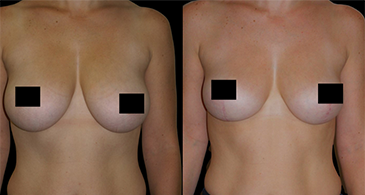
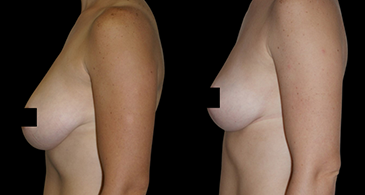
Breast reduction, also called reduction mammaplasty, is a surgical procedure that reduces the size and weight of the breasts by removing excess breast tissue, skin, and fat. Unlike breast augmentation, which is almost always cosmetic, breast reduction is often performed to address physical symptoms caused by disproportionately large breasts.

Reduction mammaplasty typically involves reshaping the remaining breast tissue, repositioning the nipple and areola to a higher position on the chest wall, and reducing the size of the areola if it has stretched over time. The surgery leaves scars that vary depending on the technique used, and full recovery takes several months.

Breast reduction is a significant surgical decision. It carries risks and requires substantial recovery time. Individual outcomes vary depending on tissue characteristics, the amount of tissue removed, and the surgical technique used.

Physical Symptoms of Overly Large Breasts

For many women considering breast reduction, the surgery is not primarily about appearance but about relieving physical symptoms that impact daily life. Common symptoms associated with disproportionately large breasts (a condition medically termed macromastia or breast hypertrophy) include:

  • Chronic pain in the upper back, neck, and shoulders
  • Deep grooving of the shoulders where bra straps sit under sustained weight
  • Postural changes, including forward rounding of the shoulders
  • Skin irritation, rashes, or intertrigo under the breast fold
  • Nerve compression symptoms, including tingling or numbness in the arms and hands
  • Difficulty finding well-fitting clothing and bras
  • Difficulty participating in exercise or sport
  • Impact on sleep quality

Not every woman with large breasts experiences these symptoms, and not every woman who experiences these symptoms will be a suitable candidate for surgery. Dr Scamp will assess a patient’s symptoms, examination findings, and general health during a consultation.

Medicare and Private Health Insurance for Breast Reduction

Breast reduction is one of the few plastic surgery procedures that may attract Medicare and private health insurance coverage. Coverage is not automatic and depends on whether the surgery meets Medicare’s criteria for symptomatic macromastia.

Medicare Eligibility

For breast reduction surgery to attract a Medicare item number, the surgeon must certify that the procedure is medically indicated. Medicare’s criteria typically require documented evidence of:

  • Chronic pain in the back, neck, or shoulders that has not responded to conservative measures such as physiotherapy or supportive bras
  • Ongoing skin conditions under the breast fold
  • Physical symptoms directly attributable to breast weight and size

Not all patients with symptomatic macromastia will meet Medicare’s criteria. Dr Scamp’s team will discuss a patient’s eligibility during their consultation and provide honest advice based on their clinical presentation and history.

Private Health Insurance

If a patient’s breast reduction surgery meets Medicare’s criteria and attracts an item number, their private health insurance may cover the hospital and theatre component of the surgery. Coverage depends on the patient’s specific policy, level of hospital cover, and any waiting periods, exclusions, or excesses that apply. Patients should contact their health fund directly to confirm their coverage before proceeding.

Out-of-Pocket Costs

Even where Medicare and private health insurance apply, patients typically have out-of-pocket costs, including the surgeon’s fee, anaesthetist’s fee gap, hospital excess, post-surgical garments, and follow-up care. Dr Scamp’s team will provide an itemised quote after a consultation that clarifies which costs are covered and which are payable directly.

The Consultation Process

Every breast reduction surgery begins with a private consultation at Dr Scamp’s rooms at 95 Upton Street, Bundall.

Under the Medical Board of Australia’s guidelines for cosmetic surgery, patients considering breast reduction must first obtain a written referral from their GP or another registered medical practitioner before their consultation. If Medicare eligibility may apply, their GP referral is also relevant to the Medicare pathway.

During a consultation, Dr Scamp will discuss the patient’s physical symptoms and how they affect their daily life, review their medical history, examine their breast size, shape, and skin elasticity, discuss the surgical technique that suits their anatomy, explain the extent of scarring, discuss the specific risks, discuss whether Medicare eligibility may apply, and provide a personalised cost estimate.

A minimum 7-day cooling-off period applies between a patient’s initial consultation and any breast reduction surgery. This is a mandatory requirement under Australian guidelines for cosmetic surgery, and gives the patient time to consider their decision.

For some consultations, Dr Scamp uses Vectra 3D imaging to help discuss the surgical plan. The 3D imagery is a discussion tool and does not represent a guaranteed outcome.

Surgical Techniques for Breast Reduction

Breast reduction is not a single procedure. Dr Scamp will recommend a technique based on the patient’s breast size, tissue quality, skin elasticity, the amount of reduction planned, and where the nipple and areola need to be repositioned. The technique affects the pattern of scarring and, in some cases, the recovery process.

Wise Pattern (Inverted-T or “Anchor”)

The Wise pattern is one of the most commonly used approaches for larger breast reductions. Incisions are made around the areola, vertically down to the breast crease, and horizontally along the breast crease itself. This creates a scar pattern resembling an inverted T. The Wise pattern gives precise control over the amount of skin and tissue removed and works well for significant reductions or where there is substantial skin excess.

Vertical Scar Reduction (Lollipop)

The vertical scar technique involves incisions around the areola and vertically down to the breast crease, without the horizontal component of the Wise pattern. The resulting scar resembles a lollipop. This technique produces shorter scars but is generally more suitable for moderate reductions where there is less skin excess to manage.

Pedicle Techniques

Along with the incision pattern, the surgeon uses a pedicle technique to maintain blood supply to the nipple and areola while the tissue underneath is reduced. Common pedicle approaches include the superomedial, superior, medial, and inferior pedicles. The choice depends on breast size, the distance the nipple needs to move, and Dr Scamp’s assessment of the patient’s tissue.

Free Nipple Graft

In very large reductions or where the nipple needs to be moved a significant distance, a pedicle may not be able to safely maintain blood supply. In these rare cases, the nipple and areola may need to be removed and replaced as a skin graft. Free nipple grafting has different considerations for sensation and breastfeeding.

Dr Scamp will explain which combination of incision pattern and pedicle technique he recommends for the patient’s case and why during their consultation.

What Happens on the Day of Surgery

Breast reduction surgery is performed in an accredited hospital under general anaesthesia administered by a qualified specialist anaesthetist. Dr Scamp operates at Pacific Private Hospital in Southport.

Surgery typically takes between two and four hours depending on the technique and the amount of tissue to be removed. Most breast reduction patients stay in hospital overnight for post-operative monitoring, though some may stay longer depending on individual factors.

The patient will need a support person to drive them home from hospital and stay with them overnight after discharge. A patient cannot drive themselves, and they should not be alone during the initial 24 hours following surgery.

Recovery Timeline

Recovery from breast reduction surgery is gradual and takes several months to complete. Individual recovery times vary depending on the technique used, the amount of tissue removed, and a patient’s general health.

The First Week

Swelling, bruising, and soreness across the chest area are common. Drains may be in place for the first few days to remove excess fluid. A compression bra or surgical support garment is worn continuously. Pain relief is prescribed to manage discomfort. Light walking is encouraged for circulation, but strenuous activity, lifting arms above shoulder height, and lifting anything heavier than a few kilograms should be avoided.

Weeks Two to Four

Drains and non-dissolvable sutures are typically removed during this period. Bruising fades, and swelling begins to reduce. Most patients can return to sedentary or office work by around two weeks, though some patients need longer depending on the demands of their role. Light exercise such as walking can typically be reintroduced. Chest exercises, upper body weights, and running should still be avoided.

Weeks Four to Six and Beyond

Most physical activities can be gradually reintroduced by around six weeks, subject to Dr Scamp’s individual advice. Support garment wear may reduce during the day but is often continued at night. The breasts continue to settle and take their final shape over three to six months post-surgery. Sensation in the nipple and areola may still be reduced or altered during this period, and in some cases the changes are permanent.

If any concerns arise at any point during a patient’s recovery, they must contact Dr Scamp’s rooms immediately.

Scarring and Scar Management

All breast reduction surgery leaves scars. The extent and pattern depend on the surgical technique used, and the appearance varies significantly between individuals depending on genetics, skin type, wound healing, and post-operative care. Scars typically appear pink and raised in the first months following surgery and gradually fade and flatten over 12 to 18 months.

Common scar management measures include silicone gel or silicone tape from around two weeks post-surgery, sun protection over the scars for at least 12 months, and avoidance of scar tension by wearing supportive garments as directed. Dr Scamp will provide specific scar management guidance based on a patient’s individual healing.

Risks and Possible Complications

Breast reduction surgery, like any surgical procedure, carries risks and possible complications. Being aware of these is an essential part of making an informed decision.

Having surgery performed by an appropriately qualified specialist plastic surgeon can reduce, but not eliminate, the risk of complications. Dr Scamp will discuss the specific risks that apply to the patient’s individual case during a consultation.

Recognised risks and complications of breast reduction surgery include:

  • Bleeding, including haematoma requiring drainage or return to theatre
  • Infection, which may require antibiotics or further surgery
  • Fluid accumulation (seroma) requiring drainage
  • Delayed wound healing, particularly at the junction of scars in Wise pattern reduction
  • Poor or visible scarring, including keloid or hypertrophic scarring
  • Reaction to anaesthesia or medications
  • Fat necrosis, where areas of fatty tissue lose blood supply and become firm or hardened
  • Partial or complete loss of nipple sensation, which may be permanent
  • Partial or complete loss of nipple or areola tissue due to compromised blood supply
  • Inability to breastfeed
  • Asymmetry between the breasts
  • Ongoing pain or discomfort
  • Persistence of pre-operative symptoms
  • Unsatisfactory cosmetic outcome
  • Need for further surgery, including revision or scar revision procedures

Smoking, obesity, uncontrolled diabetes, and other health conditions can significantly increase the risk of complications. Dr Scamp will assess these factors at consultation and may require the patient to address them before surgery is considered safe to proceed with.

If a patient experiences any adverse effects after surgery, they must contact Dr Scamp’s rooms immediately.

Breast Reduction and Breastfeeding

Breast reduction surgery affects the breast tissue, milk ducts, and nerves that supply sensation to the nipple and areola. Many women can breastfeed successfully after breast reduction, though some experience reduced supply or are unable to breastfeed. Pedicle techniques that preserve breast tissue connections tend to preserve more breastfeeding capacity than free nipple graft techniques, which sever the ducts entirely.

If breastfeeding is important to the patient now or in the future, they must discuss this specifically with Dr Scamp at their consultation. This may influence the timing of surgery and the surgical approach recommended.

Who Is a Suitable Candidate for Breast Reduction?

Suitability depends on factors Dr Scamp will assess during consultation. Broadly, women who may be candidates are those with physical symptoms attributable to their breast size, completed breast development, good general health, realistic expectations about scarring and recovery, non-smoker status (or willingness to stop before and after surgery), and a stable weight in a healthy range.

Women who may not be suitable, or who need to address health considerations before surgery, include current smokers, those who are pregnant or breastfeeding, those who have not completed breast development, those with significant unmanaged health conditions, those at an unhealthy weight for surgery, and those with unrealistic expectations about outcomes or scarring.

Dr Scamp will provide honest advice at consultation based on the patient’s individual circumstances.

What Breast Reduction Surgery Aims to Achieve

For most patients, the primary aim of breast reduction is symptomatic relief. Improvements in posture, reduction of back and shoulder pain, resolution of skin irritation under the breast fold, and increased ability to participate in exercise are common outcomes discussed with breast reduction patients. Aesthetic improvement is typically a secondary outcome.

The final breast size after reduction depends on the amount of tissue removed and the amount of remaining breast tissue and skin. Dr Scamp will discuss the expected size range at consultation, though the precise final size cannot be guaranteed. Outcomes vary significantly between individuals.

Breast Reduction Cost on the Gold Coast

The cost of breast reduction surgery varies depending on whether Medicare item numbers apply, the specific surgical technique required, the hospital and anaesthetic fees, and the aftercare required.

For patients who meet Medicare’s criteria for medically indicated breast reduction, out-of-pocket costs are typically lower than for cosmetic-only breast surgery. For patients who do not meet Medicare’s criteria, breast reduction is priced as a private cosmetic procedure with the full cost payable.

A patient’s itemised quote will detail the surgeon’s fee, hospital and theatre fees, anaesthetist’s fee, post-surgical garments and dressings, follow-up appointment schedule, and any Medicare rebates or private health insurance benefits that apply. Patients can contact the practice to arrange a consultation with Dr Scamp at his Bundall rooms for a personalised cost estimate.

About Dr Terrence Scamp

Dr Terrence Scamp is an AHPRA-registered specialist plastic surgeon based on the Gold Coast, with AHPRA registration MED0001157212. He is a Fellow of the Royal Australasian College of Surgeons (FRACS) with specialist training in plastic and reconstructive surgery. Dr Scamp has more than 30 years of surgical experience on the Gold Coast. He performs breast reduction surgery at Pacific Private Hospital in Southport.

Book a Consultation

A private consultation with Dr Scamp provides one-on-one time to discuss a patient’s symptoms, review their individual circumstances, and understand the surgical process, techniques, Medicare and private health eligibility, recovery, risks, and outcomes in detail.

Consultations are held at 95 Upton Street, Bundall. A GP referral is required before a patient’s consultation. To arrange an appointment, patients can contact the practice via the enquiry form or by phone.