

 Call Us
 Contact Us


‘How much does a nose job cost?’ is one of the most frequently asked questions in rhinoplasty consultations. The answer is that it depends on more than most patients expect. The surgeon’s fee is only part of the picture. Hospital fees, anaesthetist fees, imaging, follow-up care, and whether the surgery includes any functional component all need to be considered.
This article walks through what a rhinoplasty typically costs in Queensland, what is included in the fee, when Medicare might apply, and the extras worth factoring in before a patient commits.
How much does a rhinoplasty cost in Queensland?
As a general guide only, patients may expect the following ranges for surgery performed by an appropriately qualified specialist plastic surgeon in Queensland:
- Primary cosmetic rhinoplasty: approximately $15,000 to $25,000
- Septorhinoplasty (cosmetic reshaping plus functional correction such as a deviated septum): approximately $18,000 to $30,000
- Revision rhinoplasty (correcting an unsatisfactory previous surgery): approximately $20,000 to $35,000 and higher, since the tissue is more complex to work with
These figures are indicative, not fixed. Prices vary between surgeons, between hospitals, and between individual cases, because no two noses are the same and no two operations take the same length of time. It is important to be informed. This is why a written, itemised quote is provided only after a consultation, where Dr Scamp has assessed a patient’s nose in person.
What is included in the fee
The total cost of a rhinoplasty is made up of several components. Understanding what each covers helps a patient compare quotes accurately.
- Surgeon’s fee: The largest single component. Covers the surgical planning, the operation itself, and post-operative reviews for a defined period (typically several weeks to months, depending on the practice).
- Hospital or day-surgery facility fee: Covers the operating theatre, recovery ward, nursing, and any overnight stay if the procedure requires one. Rhinoplasty is often performed as day surgery, but overnight admission is common where more complex work is done.
- Anaesthetist’s fee: A separately billed cost from the anaesthetist. Rhinoplasty is performed under general anaesthesia, so this fee always applies.
- Consultation fee: Typically $250 to $400 for an initial consultation with a specialist plastic surgeon. Some clinics apply this fee separately, others rebate it against the surgery.
- Post-operative appointments: Follow-up visits during the first weeks and months. Some surgeons include these in the surgical fee; others charge separately. It is important to ask this when comparing quotes.
- Splint, dressings, and initial medications: Typically included in the hospital fee but worth confirming with the individual practitioner.
Cosmetic vs functional rhinoplasty and what it means for cost
Rhinoplasty broadly falls into three categories, and the category matters for both what the surgery involves and what Medicare or private health cover pays for.
- Cosmetic rhinoplasty: Surgery to change the appearance of the nose without a medical breathing problem. For example, reshaping a bump, refining the tip, or narrowing the bridge. Not covered by Medicare and, in most cases, not covered by private health insurance.
- Functional rhinoplasty: Surgery to correct a structural problem affecting breathing, such as a deviated septum, nasal valve collapse, or trauma-related deformity. May be covered under Medicare item numbers and, in turn, by private health cover if the criteria are met.
- Septorhinoplasty: Combined cosmetic and functional surgery in one operation. The functional component may attract a Medicare rebate; the purely cosmetic component does not. This means the same surgery can be partly covered and partly out-of-pocket.
In each instance the classification is based on a thorough clinical assessment.
Medicare rebates and item numbers
Medicare rebates apply only where the surgery is medically indicated. For rhinoplasty and related procedures, the main item numbers are:
- 45641 – reconstruction of the nose after significant deformity or for the correction of a functional problem
- 41671 – septoplasty (repair of a deviated nasal septum)
Meeting an item number requires clinical documentation. For a functional rhinoplasty, this usually includes a NOSE Scale score demonstrating significant airway obstruction, imaging, and specialist assessment. For deformity following trauma or a congenital condition, photographic evidence and clinical documentation are typically required.
Where an item number applies, Medicare pays a set rebate against the schedule fee. The rebate is a partial contribution, not full coverage, and there is generally still an out-of-pocket cost. Rebate amounts change from time to time, so specific figures should be confirmed against the current Medicare Benefits Schedule at the time of surgery.
Private health insurance
Where a Medicare item number applies, private health cover may also apply. Cover varies considerably between funds and policy levels.
At a policy that includes plastic and reconstructive surgery, private health typically covers a portion of the hospital fee and can reduce the out-of-pocket cost. Purely cosmetic rhinoplasty is not covered, since there is no Medicare item number for it.
Two practical steps before committing:
- A patient should contact their health fund directly with the specific Medicare item number their surgeon has quoted, and ask what their fund covers on their policy.
- Confirm whether there is a waiting period. Most funds have a 12-month waiting period for surgical services on new or upgraded policies.
Extra costs to factor in
Beyond the main fees, there are additional costs that need to be planned for.
- Imaging and pre-operative tests: CT imaging of the nose and sinuses is sometimes required, particularly for functional cases or revision surgery. A GP-referred CT scan may attract a Medicare rebate; non-referred imaging usually does not. Blood tests and other pre-anaesthetic checks may also be required.
- Time off work: Most patients need one to two weeks away from a desk job and longer for physically demanding work.
- Post-operative supplies: Saline sprays, prescribed medications, and any additional dressings or scar care products used over the following months.
- Travel and accommodation: If travelling from another part of Queensland or interstate for surgery, consider the cost of getting to and from the Gold Coast, and accommodation for at least the first night after discharge.
- Revision surgery: In a small proportion of cases, a revision or minor adjustment is needed to fine-tune the result. Some surgeons include revision surgery within a defined period in their fee; others do not.
Why prices vary between surgeons
There is a wide range in rhinoplasty pricing across Australia, and the differences reflect real factors.
- Surgeon qualifications: In Australia, ‘surgeon’ is a protected title. Specialist plastic surgeons hold FRACS specialist registration in plastic surgery, which involves at least twelve years of training beyond medical school. Operators who use titles like ‘cosmetic surgeon’ without specialist plastic surgery registration are not equivalent, even if their marketing suggests otherwise. Fees typically reflect this difference in training.
- Hospital accreditation: Fully accredited private hospitals have higher facility fees than day-surgery centres. For rhinoplasty, both can be appropriate depending on the case complexity; a surgeon will recommend the setting that suits a patient’s surgery.
- Case complexity: A straightforward cosmetic dorsal-hump reduction takes less operating time than a complex septorhinoplasty with cartilage grafting. Fees scale with the length and complexity of the procedure.
- Follow-up care included: Some surgeons include post-op appointments and minor revisions within their fee; others do not. Two quotes with the same headline number can be very different once follow-up is included.
A note on rhinoplasty costs.
Rhinoplasty is one of the more technically demanding procedures in plastic surgery, and the difference between a good result and a poor one is often permanent. Pricing that is dramatically below the ranges above may reflect one or more of the following: less-experienced operators, shorter surgical time, absence of follow-up care, or offshore surgery where standards, aftercare access, and revision options are all significantly reduced.
The financial cost of a revision after a poor primary rhinoplasty is typically higher than the cost of the primary procedure itself, because scar tissue and altered anatomy make the second surgery more complex. The emotional cost and the extended time frame involved should also be considered.
Book a consultation
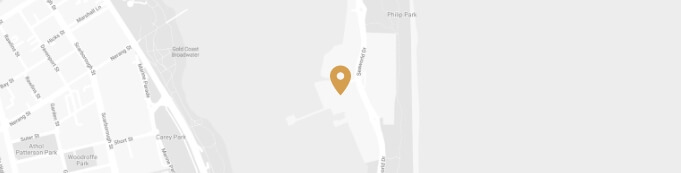
A written, itemised quote for the patient’s specific case is provided after a consultation where Dr Scamp has assessed the patient’s nose in person and understands what the patient is looking to achieve. Consultations are available at Dr Scamp’s clinic at 95 Upton Street, Bundall on the Gold Coast.
Frequently asked questions
Does Medicare cover a nose job?
Medicare covers rhinoplasty only where a valid item number applies, such as for correcting a functional breathing problem, a deviated septum, or a deformity from trauma or a congenital condition. Purely cosmetic rhinoplasty is not covered. Clinical documentation is required to establish eligibility.
Will private health insurance cover rhinoplasty?
If a Medicare item number applies, private health cover on a policy that includes plastic and reconstructive surgery typically pays part of the hospital fee. It is important to check directly with the health insurer, quoting the specific item number, before proceeding. Purely cosmetic rhinoplasty is generally not covered.
Why is rhinoplasty more expensive than other cosmetic surgery?
Rhinoplasty is one of the more technically demanding operations in plastic surgery, involving both external shape and internal breathing function, often on complex cartilage and bone structures a millimetre at a time. The time in theatre, level of expertise required, and length of post-operative follow-up all contribute to the fee.
How much does a revision rhinoplasty cost?
Revision rhinoplasty is typically higher than primary rhinoplasty because the tissue is more complex to work with. Expect a range starting from around $20,000 and rising with complexity. Some clinics include one minor revision within a defined period; ask specifically before proceeding with the initial surgery.
What does the surgeon’s fee include?
The surgeon’s fee typically covers surgical planning, the operation itself, and a defined period of post-operative care. Exact inclusions vary between practices, so ask for a written breakdown. It does not include the hospital fee or the anaesthetist’s fee, which are billed separately.
Can the patient pay in instalments?
Some patients use medical finance products to spread the cost over a longer period. Terms and rates vary, and any financing arrangement is between the patient and the finance provider rather than the surgeon’s practice.
Disclaimer
Prices in this article are general guides only and are not quotes. Actual costs vary by case and are provided in writing after individual consultation and assessment. Medicare item numbers, schedule fees, and rebate amounts are set by the Australian Government and change from time to time; confirm current figures against the Medicare Benefits Schedule. Individual results vary. Any surgical or invasive procedure carries risks. Seek a second opinion from an appropriately qualified health practitioner before proceeding.