Sizing and Implant Selection
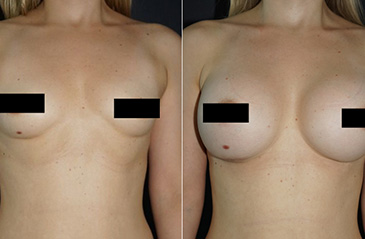
Dr Scamp uses a tissue-based approach to implant sizing and selection. The implant is chosen based on measurements of the patient’s breast base width, tissue thickness, skin stretch, and existing breast footprint, rather than by cup size alone.
This approach has several important considerations:
- Cup size varies significantly between bra brands, so it is not a reliable planning measurement.
- An implant that is too wide for the natural breast base can cause tissue displacement over time.
- An implant that is too projecting for the available skin envelope can stretch the tissue and produce a more visible implant edge.
- The appropriate implant for a patient is the one that fits their anatomy and produces the outcomes they wish to achieve without overloading the tissue.
At consultation, Dr Scamp will take measurements, try implant sizers where appropriate, and discuss volume options in cubic centimetres rather than cup sizes. This gives the patient a clearer sense of the volume they are considering.
Breast Augmentation with a Breast Lift
For some patients, breast augmentation alone will not produce the outcomes they are hoping to see. If the breast has significant ptosis (drooping), stretched skin, or a nipple position that sits below the breast crease, a breast lift (mastopexy) may be needed alongside augmentation. This combined procedure is more involved than augmentation alone, produces different scarring, and requires a different surgical plan.
Dr Scamp will assess whether a lift may be appropriate for a patient’s anatomy at consultation and explain the surgical plan that best fits their situation.
The Consultation Process
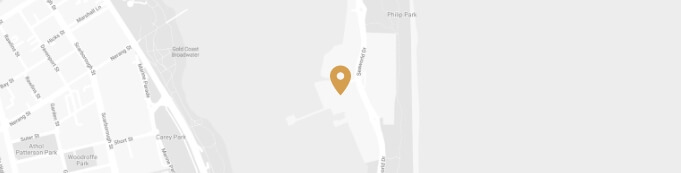
Every breast augmentation surgery begins with a private consultation at Dr Scamp’s rooms at 95 Upton Street, Bundall.
Under the Medical Board of Australia’s guidelines for cosmetic surgery, patients considering breast augmentation must first obtain a written referral from their GP or another registered medical practitioner before their consultation. This ensures a patient’s medical history and general health have been assessed by a doctor familiar with the patient’s medical background.
During a consultation, Dr Scamp will:
- Discuss a patient’s reasons for considering surgery and the outcomes they are hoping to achieve
- Review the patient’s general health and medical history
- Examine the patient’s natural breast shape, size, symmetry, tissue thickness, and skin elasticity
- Take measurements to inform tissue-based implant planning
- Discuss the Motiva implant options that may suit the patient’s anatomy
- Explain the implant placement and incision options and the reasoning behind the recommended approach
- Discuss the specific risks and possible complications
- Explain the recovery process and what to expect afterwards
- Provide a personalised cost estimate
A minimum 7-day cooling-off period applies between Dr Scamp’s initial consultation and any breast augmentation surgery. This is a mandatory requirement under Australian guidelines for cosmetic surgery, and gives the patient time to consider their decision, seek independent advice, and ask any additional questions before proceeding.
Breast augmentation is not offered to patients under 18 years of age. All patients must be legally able to provide informed consent under Australian law. Patients are encouraged to seek independent medical advice at any point during this process.
Preparing for Surgery
In the weeks leading up to surgery, Dr Scamp’s team works with each patient through the preparation steps. These typically include:
- A pre-operative health assessment, including blood tests and any specific tests indicated for the patient’s case
- Guidance on which medications to stop or continue in the days before surgery
- Requirements to stop smoking and avoid alcohol for a period before and after surgery, both of which affect wound healing
- Advice on post-surgical garments, including a surgical bra
- Guidance on preparing the patient’s home for the recovery period, including sleeping arrangements (many patients sleep propped up for the first week or two) and having easy access to what the patient needs
- Arranging a support person to drive the patient home from hospital and stay with them during initial recovery
The Day of Surgery
Breast augmentation surgery is performed in an accredited hospital on the Gold Coast under general anaesthesia administered by a qualified specialist anaesthetist. The surgery typically takes between one and two hours in total.
Depending on the patient’s individual case, the type of anaesthesia used, and their overall health, breast augmentation is sometimes performed as day surgery and sometimes involves an overnight stay in hospital for post-operative monitoring. Dr Scamp will confirm the patient’s hospital plan closer to the surgery date.
A patient will need a support person to drive them home and stay with them overnight after surgery. A patient cannot drive themself, and should not be alone in the first 24 hours.
Recovery and Aftercare Timeline
Recovery from breast augmentation surgery is gradual. Individual recovery times vary depending on the placement approach, the physical demands of the patient’s normal activities, and how their body heals.
The First Week
Expect swelling, bruising, discolouration, and soreness across the chest area. Pain relief is prescribed to manage discomfort. Most patients wear a surgical bra continuously during this period. Sleeping in a propped-up position is often more comfortable. Light walking is encouraged for circulation, but strenuous activity and lifting arms above shoulder height should be avoided. Many patients feel able to return to sedentary work by the end of the first week.
Weeks Two to Four
Swelling continues to reduce, and the breasts begin to settle into a more natural position. Light exercise such as walking and stationary cycling can typically be reintroduced from around two weeks. Chest exercises, upper body weights, and running should still be avoided. Scars will look pink and raised at this stage, and scar management often begins with silicone gel or tape as directed.
Weeks Four to Six
Most physical activities can be gradually reintroduced by around six weeks, subject to Dr Scamp’s individual advice. Chest and upper body exercises should be reintroduced carefully and under guidance. The breasts continue to settle for several months, and the final position and shape of the breasts are generally clearer at around three to six months post-surgery.
Six Months and Beyond
Scar maturation continues for up to 12 to 18 months, during which scars gradually fade and flatten. Regular follow-up appointments with Dr Scamp form part of the patient’s ongoing care.
If any concerns arise at any point during recovery, patients are to contact Dr Scamp’s rooms immediately.



 Call Us
 Contact Us