MED0001157212 - This website contains imagery which is only suitable for audiences 18+. All surgery contains risks, Read more here.

Breast Reduction Gold Coast

Choose Dr Terrence Scamp for breast reduction mammaplasty at our Bundall practice on the Gold Coast.

Breast lift & Motiva bg 01

Breast Reduction Surgery on the Gold Coast

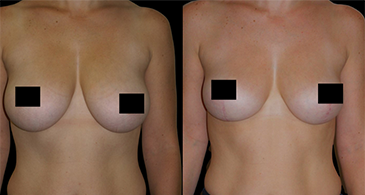
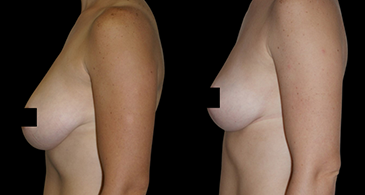
Breast reduction surgery, also known as reduction mammaplasty, is a procedure performed to reduce the size of overly large breasts. For many women, the weight and volume of disproportionately large breasts can cause persistent physical discomfort and affect everyday activity. Breast reduction surgery aims to address both the physical symptoms associated with large breasts and the aesthetic concerns that often accompany them.

The procedure involves removing excess breast tissue, fat, and skin, and reshaping the remaining tissue to produce a smaller, more proportionate breast. As with any surgical procedure, breast reduction carries risks and is not suitable for every patient. The most reliable way to determine whether the procedure is appropriate for an individual’s circumstances is through a consultation with a qualified Specialist Plastic Surgeon.

Dr Terrence Scamp is a qualified Specialist Plastic Surgeon based in Bundall on the Gold Coast, with over 30 years of experience in plastic surgery. The practice sees patients from across South East Queensland, including those travelling from Brisbane, for whom Bundall is approximately one hour south.
Physical Symptoms Associated with Large Breasts

Many of the women who consider breast reduction surgery do so because of the physical impact of breast size on daily life, rather than purely for cosmetic reasons. Common symptoms reported by patients include:

  • Back, neck, and shoulder pain caused by the weight of the breasts pulling forward and down
  • Postural changes, including a tendency to hunch or roll the shoulders forward
  • Grooves or indentations in the shoulders from bra straps bearing the weight of the breasts
  • Skin irritation, rashes, or chafing beneath the breast crease, particularly in warm weather
  • Difficulty exercising or engaging in physical activity comfortably
  • Difficulty finding clothing that fits properly across the chest

These symptoms are often longstanding and can have a meaningful impact on day-to-day comfort and activity. Where these symptoms are present and documented, breast reduction surgery may also meet the clinical criteria for Medicare rebates, which is discussed in the cost section further below.

A Breast Reduction Consultation

A consultation with Dr Terrence Scamp is the first step in considering breast reduction surgery. The consultation is an opportunity to discuss the symptoms or concerns that have led the patient to consider the procedure, the outcomes the patient is looking to achieve, and any aspects of medical history that may be relevant to suitability.

During the consultation, Dr Scamp will assess the patient’s breast tissue, skin elasticity, and overall proportions to determine how much tissue would need to be removed and which surgical technique is most appropriate for the individual’s circumstances. The plan may involve repositioning the areola to a higher position on the breast and may be performed bilaterally (both breasts) or unilaterally (single breast), where symmetry is being addressed.

The risks associated with breast reduction surgery will be explained in full at this stage, so patients can make an informed decision before proceeding. The consultation is also the appropriate time to ask any questions about the procedure, recovery, scarring, or expected outcomes.

Candidates for breast reduction

Suitability for breast reduction is determined on an individual basis at the consultation. Generally, good candidates are non-smokers in good general health, with a stable, healthy weight. The healthier a patient is before surgery, the better positioned the body is to heal well afterwards.

Patients who may not be suitable for the procedure include women who:

  • Do not yet have fully developed breasts
  • Are significantly overweight
  • Are pregnant or breastfeeding
  • Have certain medical conditions, such as poorly controlled diabetes
  • Do not have realistic expectations about the outcome
  • Have a history of breast cancer that has not been discussed and cleared with their treating team

Smoking, in particular, is a known risk factor for poor wound healing and is associated with more pronounced scarring and a higher rate of complications. Patients are generally advised to stop smoking well in advance of any surgical procedure.

Surgical Techniques Used in Breast Reduction

The incision pattern used in breast reduction surgery depends on the volume of tissue to be removed, the patient’s anatomy, and the goals of the procedure. The two most commonly used techniques are:

  1. Anchor (inverted-T) incision: This is the most widely used technique for moderate to large breast reductions. It involves a circular incision around the areola, a vertical incision running from the areola down to the breast crease, and a horizontal incision along the breast crease itself. The resulting scars follow these three lines but sit within the natural contours of the breast.
  2. Vertical (lollipop) incision: This shorter-scar technique uses the circular incision around the areola and the vertical incision running down to the breast crease, but omits the horizontal component. It is generally suited to smaller reductions where the volume of tissue to be removed is more modest.

The technique recommended for any individual patient is determined at consultation. For more information about what to expect from scarring after surgery, please see our blog article on breast reduction scars.

The Breast Reduction Procedure

Breast reduction surgery is performed under general anaesthesia in a hospital setting. Before surgery begins, Dr Terrence Scamp marks the breasts to indicate where the incisions will be made, based on the surgical plan agreed at consultation.

During the procedure, Dr Scamp removes and reshapes the breast tissue, fat, and skin to reduce breast size and create a more proportionate breast shape. The areola may be repositioned to a higher position on the breast, and the incisions are closed with sutures.

Breast reduction surgery typically takes between 90 minutes and three hours to complete, depending on the volume of tissue being removed and whether the procedure is bilateral or unilateral.

Breast Reduction Surgery Cost on the Gold Coast

The cost of breast reduction surgery varies between patients, as each surgical plan is tailored to the individual. An accurate cost estimate can only be provided after a consultation, where the surgical plan is agreed.

Several factors affect the overall cost, including:

  • The surgeon’s fee
  • The anaesthetist’s fee
  • Hospital and theatre charges
  • The volume of tissue to be removed and duration of the procedure
  • Post-operative care requirements

In some cases, breast reduction surgery may be considered medically necessary. Where physical symptoms such as chronic back, neck, or shoulder pain can be documented, patients may be eligible for a Medicare rebate. Private health insurance may also contribute to the hospital component of the surgical fee, depending on the level of cover held and whether the procedure meets the relevant clinical criteria.

Eligibility for Medicare and private health rebates is reviewed during the consultation, and patients are encouraged to speak directly with their private health fund to confirm what their specific cover includes. For more information about the cost of breast reduction on the Gold Coast, book a consultation.

Recovery and aftercare

After breast reduction surgery, dressings are applied to protect the incision sites while they heal. Swelling, tenderness, and bruising are common in the first few days, and pain relief can be prescribed to help manage discomfort during the early recovery period.

Recovery generally follows this rough timeline:

  • First week: Rest at home, with limited activity. Most patients require time off work during this period.
  • One to two weeks: Gradual return to light activity and desk-based work, depending on the nature of the work.
  • Two to six weeks: Continued use of a surgical support garment. Strenuous activity, heavy lifting, and exercise are restricted.
  • Six weeks onwards: Most patients are cleared to gradually return to exercise and full activity, though this should be confirmed at follow-up appointments.
  • Up to six months: The breasts continue to settle into their final shape as swelling fully resolves.

Throughout recovery, patients are advised to wear a surgical support garment for around two to three months, refrain from smoking and alcohol, attend all follow-up appointments, and follow the specific aftercare instructions provided by Dr Scamp.

Some scarring is an unavoidable outcome of breast reduction surgery, as the procedure requires incisions through the skin. The scars are positioned in the natural folds of the breast where they are less visible in clothing, and they typically fade significantly over the months following surgery.

Book a Breast Reduction Consultation on the Gold Coast

To enquire about a breast reduction consultation with Dr Terrence Scamp at his Bundall practice on the Gold Coast, contact the rooms on (07) 5539 1000 or visit our booking information page.

FAQs: Breast Reduction Surgery mammaplasty

Some of our most commonly asked questions about breast reduction

What is breast reduction surgery?

How can I prepare for surgery?

What is the recovery process like?

What are some of the recovery instructions?

What are the risks?

How long do the results of a breast reduction?

Can I get surgery if I am overweight?

Will I have scars?